Blind Rage is a true crime story about a murder that happened not far from my home here in The Ozarks. The horrific tale of family jealousy can be blamed on the dearly departed, who adopted a young girl only for appearances. The family dynamic that develops leads to the tragic crime detailed in fine storytelling that had me flipping the pages.
In this blog, I offer a different type of book review — one that’s combined with vocabulary building. Included here are a few interesting words I found in Blind Rage, written by Anita Paddock and published by Pen-L Publishing.
The definitions here are for just a few words from Blind Rage important for the telling of this story of family horror:
— blind rage: noun. violent, uncontrollable anger; an instance of aggressive behavior or violent anger caused by a stressful or frustrating situation.
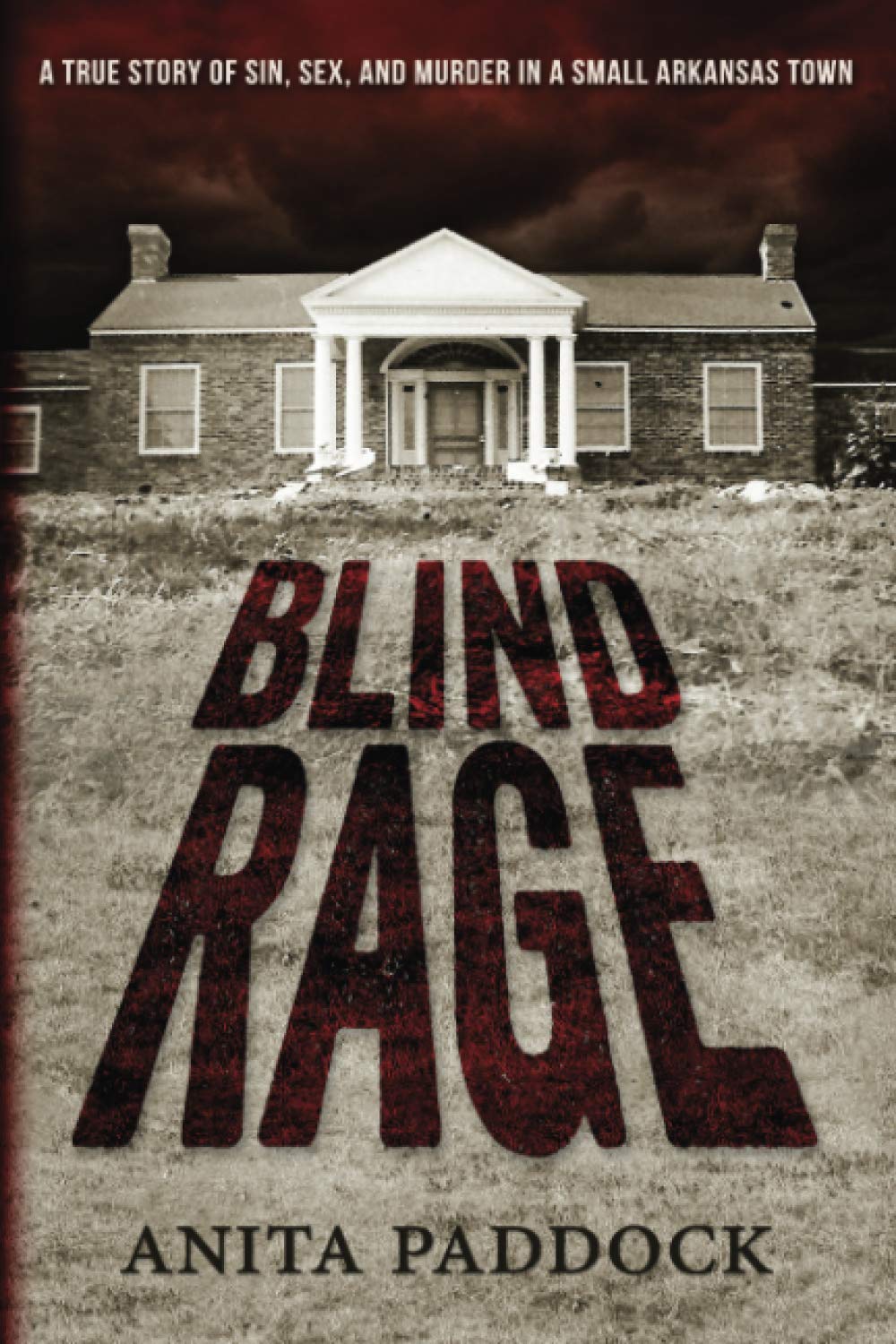
From the beginning of Blind Rage, where Paddock offers a definition of the term:
“Rage can sometimes lead to a state of mind where the individual is capable of doing things that may normally seem physically impossible.
A person in rage may also experience tunnel vision, muffled hearing, increased heart rate, and hyperventilation.
A person in a state of rage may also lose much of the capacity for rational thought and reasoning and may act violently on impulses until the source of their rage is destroyed.
People in a rage have described experiencing things in slow motion and may suffer a form of amnesia regarding the incident itself.”
— resentment: noun. Bitter indignation at having been treated unfairly.
From Blind Rage:
“Ruie Ann Park thought there was no one in the world as smart as her Sammie. And through the years at home in Van Buren, Linda knew she was the inferior child, and she buried her resentment and anger deep inside while her brother ignored her and her mother controlled her every move.”
— showplace: noun. A place of beauty or interest attracting many visitors.
From Blind Rage:
“At first, the seventy-five-year-old widow didn’t realize how badly she was injured but she could feel the sticky blood on her neck and arms. Her head throbbed worse than any migraine she’d ever had, and when she tried to lift it, she couldn’t. Her throat was dry, and she wished for a sip of water. Minutes passed before she lost consciousness, and her last thoughts were of how she would ever get rid of the blood stains in the showplace of Van Buren, Arkansas.”
Here’s a link to Blind Rage directly from Pen-L Publishing : BLIND RAGE
And a link to the book on Amazon: BLIND RAGE
AND, if you’re so inclined, check out A Lovely Murder, the second book in my Danni Deadline romantic thriller series. A third one is in the works—meaning it’s now pouring out on the page/computer screen. And a 2nd edition of the original A Lovely County will be out soon. Details to come!
A link to A Lovely Murder directly from Pen-L Publishing: A LOVELY MURDER
OR, a link to my book on Amazon: A LOVELY MURDER
What are you reading this week? Do you love a book that challenges you to look up words?


 Lori Ericson