I’ve read Jane Austen’s Pride and Prejudice a couple of times since high school but picked it up again recently to refresh myself with the story before I watch the mini-series. The writing remains fascinating and the love story stands the test of time. It was a lot of fun digging for interesting words this time around.
I love the movie You’ve Got Mail. Pride and Prejudice comes up a couple of times in dialogue of the rom-com, and the plot has some similarities with the book. Joe Fox teases Kathleen Kelly in the movie, stating, “Elizabeth Bennet in Pride and Prejudice. She was too proud. … Or was she too prejudiced and Mr. Darcy is too proud?” And in another scene, Kelly says she’s “always in agony” about whether the two love interests will get together as she reads the novel.
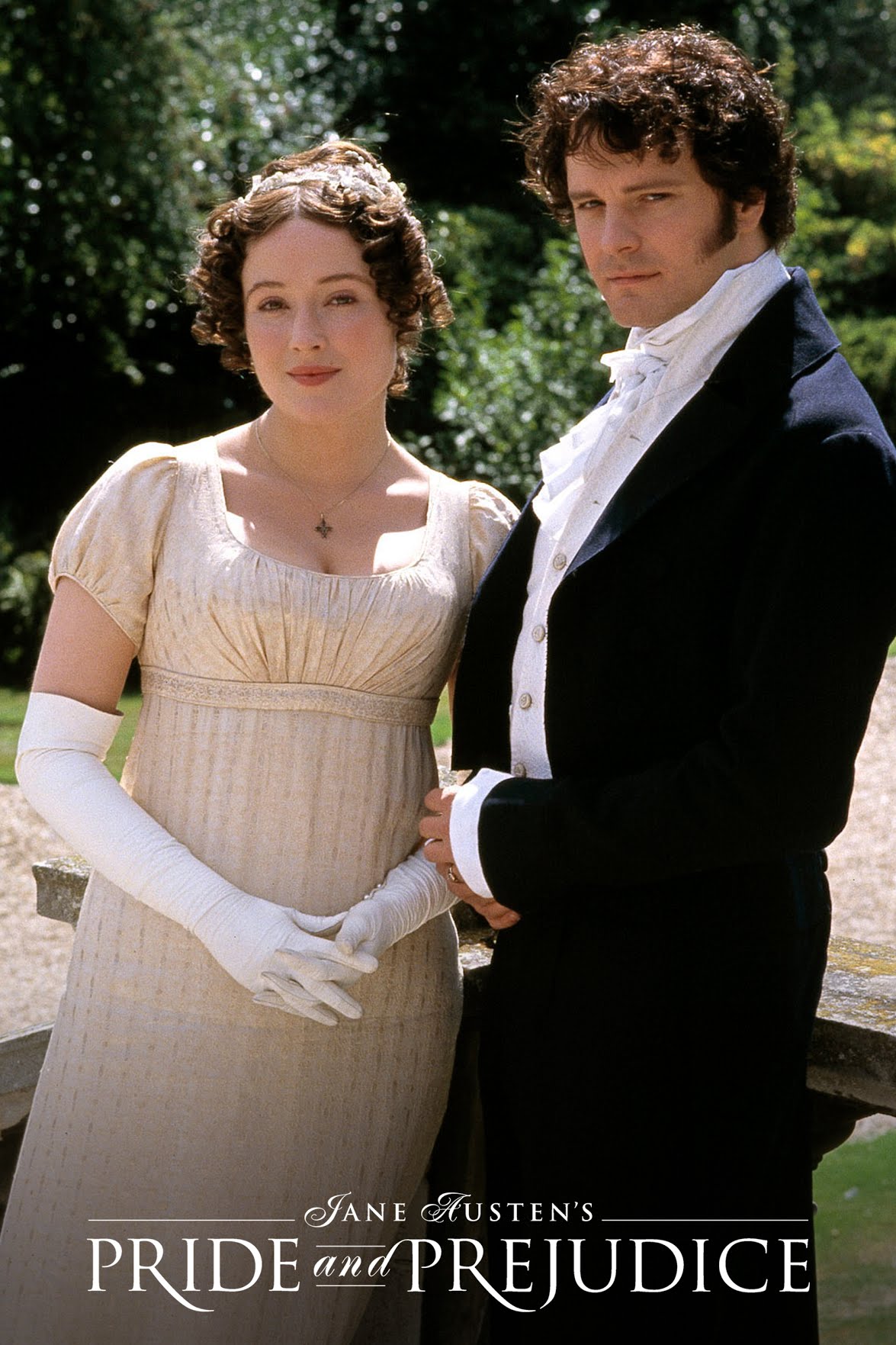
In this blog I offer a different type of book review—one that’s combined with vocabulary building. Finding unfamiliar words was no problem in Pride and Prejudice since it was first published in 1813. I included a few excerpts here that capture more than one curious word.
From Pride and Prejudice:
“You may as well call it impertinence at once. It was very little less. The fact is, that you were sick of civility, of deference, of officious attention. You were disgusted with the women who were always speaking, and looking, and thinking for your approbation alone.”
impertinence: noun, lack of respect, rude
deference: noun, humble submission and respect
officious: adjective, assertive of authority in an annoyingly domineering way, especially in regard to petty or trivial matters / intrusively enthusiastic in giving advice or help; interfering
—
From Pride and Prejudice:
“Had you not been really amiable you would have hated me for it: but in spite of the pains you took to disguise yourself, your feelings were always noble and just; and in your heart you thoroughly despised the persons who so assiduously courted you.”
assiduously: adverb, with great care and perseverance
—
From Pride and Prejudice:
By Jane this attention was received with the greatest pleasure; but Elizabeth still saw superciliousness in their treatment of every body, hardly excepting even her sister, and could not like them ; though their kindness to Jane, such as it was, had a value, as arising, in all probability, from the influence of their brother’s admiration.
supercilious: adjective, behaving or looking as though one thinks one is superior to others / Derivative—superciliousness: noun
—
From Pride and Prejudice:
Her answer, therefore, was not propitious, as least not to Elizabeth’s wishes, for she was impatient to get home.
propitious: adjective, giving or indicating a good chance of success; favorable / archaic, favorably disposed toward someone
—
From Pride and Prejudice:
He expressed no regret for what he had done which satisfied her; his style was not penitent, but haughty. It was all pride and insolence.
penitent: adjective, feeling or showing sorrow and regret for having done wrong; repentant
haughty: adjective, arrogantly superior and disdainful
insolence: noun, rude and disrespectful behavior
—
From Pride and Prejudice:
Had Elizabeth’s opinion been all drawn from her own family, she could not have formed a very pleasing picture of conjugal felicity or domestic comfort.
conjugal: adjective, relating to marriage or the relationship of a married couple
felicity: noun, 1. intense happiness 2. the ability to find appropriate expression for one’s thoughts
—
From Pride and Prejudice:
“She is a very fine-looking woman! and her calling here was prodigiously civil! for she only came, I suppose, to tell us the Collinses were well. …”
prodigious: adjective, 1. Remarkably or impressively great in extent, size or degree 2. archaic, unnatural or abnormal / Derivatives—adverb, prodigiously
—
What interesting words or terms have you found in your recent reading?
—
Definitions are typically from the dictionary that comes with my Mac or The New Oxford American Dictionary.
—
“The word is only a representation of the meaning; even at its best, writing almost always falls short of full meaning. Given that, why in God’s name would you want to make things worse by choosing a word which is only cousin to the one you really wanted to use?” ― Stephen King, On Writing: A Memoir of the Craft
THANKS FOR READING!
 Lori Ericson