Beth Carter Gifts Romance Readers with Fun Holiday Tales

Featured

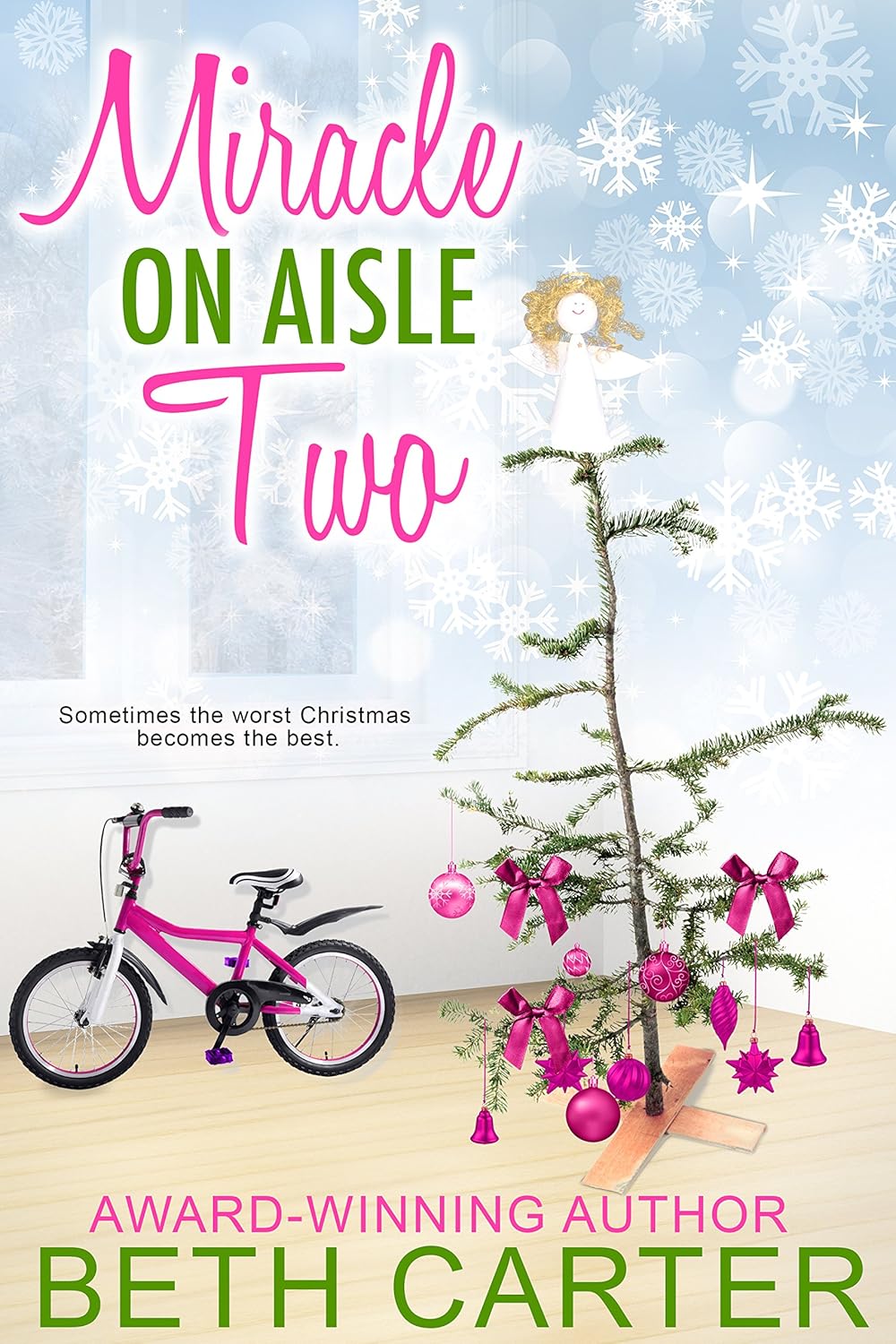
I enjoy holiday-themed books this time of year. Last year, I read romance writer Beth Carter’s Miracle on Aisle Two. Then she surprises me with yet another romance out this Christmas!

Carter’s holding an online launch party for The Christmas Fib this Thursday (Dec. 18), per her Facebook page. I just finished reading The Christmas Fib. It’s a fun page turner that starts with Brooke Hamilton opting to relax alone for the holidays and lying to her mother about being ill to make it happen. Shouldering grief for her dad and guilt about the big lie, she hopes to create new holiday memories in the snow-capped mountains of Colorado. When Brooke checks into a quaint inn, this fun holiday story unfolds with lots of wonderful glittering Christmas treats and all the romance you could ask for from Santa. The Christmas Fib may just be more fun than Carter’s first Christmas romance, Miracle on Aisle Two!

As always, I try to highlight a few words for this book review blog. For these two delightful holiday reads, I simply picked words pertaining to the season.

From The Christmas Gift:  “’Mom.’ Tate rolled his eyes. ‘You know I don’t believe in Santa.’

‘In that case, no gifts for you from Old Saint Nick.’

Gift, noun. 1. a thing given willingly to someone without payment; a present.

  • an act of giving something as a present
  • a very easy task or unmissable opportunity

2. a natural ability or talent.

verb, give (something) as a gift, especially formally or as a donation or bequest

  • present (someone) with a gift or gifts
  • endow with

From The Christmas Gift: “I’m planning to make all of your favorite things. You know, those fun treats we always make at Christmastime like chocolate-covered cashews, butterscotch haystacks, and your favorite, chocolate rum pecan pie. I also bought stuff to we could make those pretty holly centerpieces, and—”

Christmastime, noun. the Christmas season. Christmas is a Christian holiday to celebrate the birth of Jesus, the central figure of Christianity.

From Miracle on Aisle Two: Sobbing happy tears, she mumbled, “I love you, too. If I didn’t believe in miracles before, I certainly do now.”

Miracle noun. a surprising and welcome event that is not explicable by natural or scientific laws and is therefore considered to be the work of a divine agency.

  • a highly improbable or extraordinary event, development, or accomplishment that brings very welcome consequences
  • an amazing product or achievement, or an outstanding example of something. 

ORIGIN: Middle English: via Old French from Latin miraculum ‘object of wonder,’ from mirari ‘to wonder,’ from mirus ‘wonderful.’

Check out Beth Carter’s Christmas romances and her Coconuts series onAmazon

Or, see her Facebook at page https://www.facebook.com/authorbethcarter

 Definitions are typically from the dictionary that comes with my Mac or The New Oxford American Dictionary.

“The word is only a representation of the meaning; even at its best, writing almost always falls short of full meaning. Given that, why in God’s name would you want to make things worse by choosing a word which is only cousin to the one you really wanted to use?” Stephen King, On Writing: A Memoir of the Craft.

Henry’s HAPPY PLACE Snicks a Chunk of Heart

Featured

Happy Place by one of my romance favorites, Emily Henry, takes a piece of your heart with this one. The story had me flipping the pages as the tension built between this couple that should be together, was once together, and then split after letting childhood hurts come between them. Henry does wonders with character development, builds a world of unique friends, each bringing something different to the story. I had to see if this sweet couple would get back together with the help of their friends, or would their breakup cause the tight group to fall apart as well. I enjoyed every chapter!

In this blog I offer a different type of book review­—one that’s combined with vocabulary building or sometimes just a fun look at words.

In Happy Place, I noticed a word I rarely see, and the sentence is so yummingly Henry, it had to be included for this review.

From Happy Place:

The second the door snicks shut, I whirl on him, prepared to attack, only to be hit with the full force of his closeness, the strange intensity of being behind a closed door together.

snick, verb: 1- cut a small notch or incision in (something) 2- cause (something) to make a sharp clicking sound, make a sharp clicking sound.

 Definitions are typically from the dictionary that comes with my Mac or The New Oxford American Dictionary.

“The word is only a representation of the meaning; even at its best, writing almost always falls short of full meaning. Given that, why in God’s name would you want to make things worse by choosing a word which is only cousin to the one you really wanted to use?” Stephen King, On Writing: A Memoir of the Craft.

A Scottoline Psychological Thriller Clarifies a Phrase

Featured

A VOCABULARY BOOK REVIEW OF The Unraveling of Julia

The Unraveling of Julia by Lisa Scottoline tells the tale of a young widow who inherits a Tuscan villa and vineyard, plus a load of money. And a lot goes wrong in Scottoline’s psychological thriller style for Julia Pritzker. The mysterious inheritance forces her to face the world again after her husband is murdered in a mugging. Julia struggles with the idea of not knowing why she was named in the will. She does her own investigating and tries to find a possible link to her biological family as well. But once she gets to the villa, a lot of weird stuff happens, and she begins to question her sanity and even worry for her life.

The Unraveling of Julia is full of rich detail of the Tuscan hills where most of the story takes place.

In this blog I offer a different type of book review­—one that’s combined with vocabulary building or sometimes just a fun look at words.

From Scottoline’s thriller, I chose a phrase when that pulled me out of the story just because I have always misunderstood it and likely have never seen it spelled out before. I thought the phrase was “on tenderhooks” and didn’t know where it came from, but got the meaning, sort of. I had to look it up when I saw “on tenterhooks” in The Unraveling of Julia. And then I had to laugh at myself.

From The Unraveling of Julia

“Julia felt on tenterhooks about whether they’d succeed, and her worries about Gianluca gnawed at the back of her mind all day, too.”

“On tenterhooks” is a phrase that, per Merriam-Webster online, refers to “waiting nervously for something to happen.” The word tenter means “a frame used for drying and stretching cloth” and is related to tent, so being “on tenterhooks” compares the tenseness of the stretched fabric to the tension of nervous waiting.

“The word is only a representation of the meaning; even at its best, writing almost always falls short of full meaning. Given that, why in God’s name would you want to make things worse by choosing a word which is only cousin to the one you really wanted to use?” Stephen King, On Writing: A Memoir of the Craft.

A VOCABULARY BOOK REVIEW: FLY AWAY

Featured

Fly Away is an intense romance by Kristin Hannah with the expected character development that makes Hannah a go-to author. Hannah weaves the human experiences of grief, hope, expectation, obligation, and more into a fantastic tale of love. Not only romantic love, but also a mother’s love, and the love between best friends. Fly Away is also about the promises we keep and the ones we can’t. 

In addition to Fly Away, Hannah is the author of Firefly Lane, now a Netflix series. Published in 2013 by St. Martin’s Press, Fly Away is among many titles by Hannah. Find her on Facebook or at kristinhannah.com. 

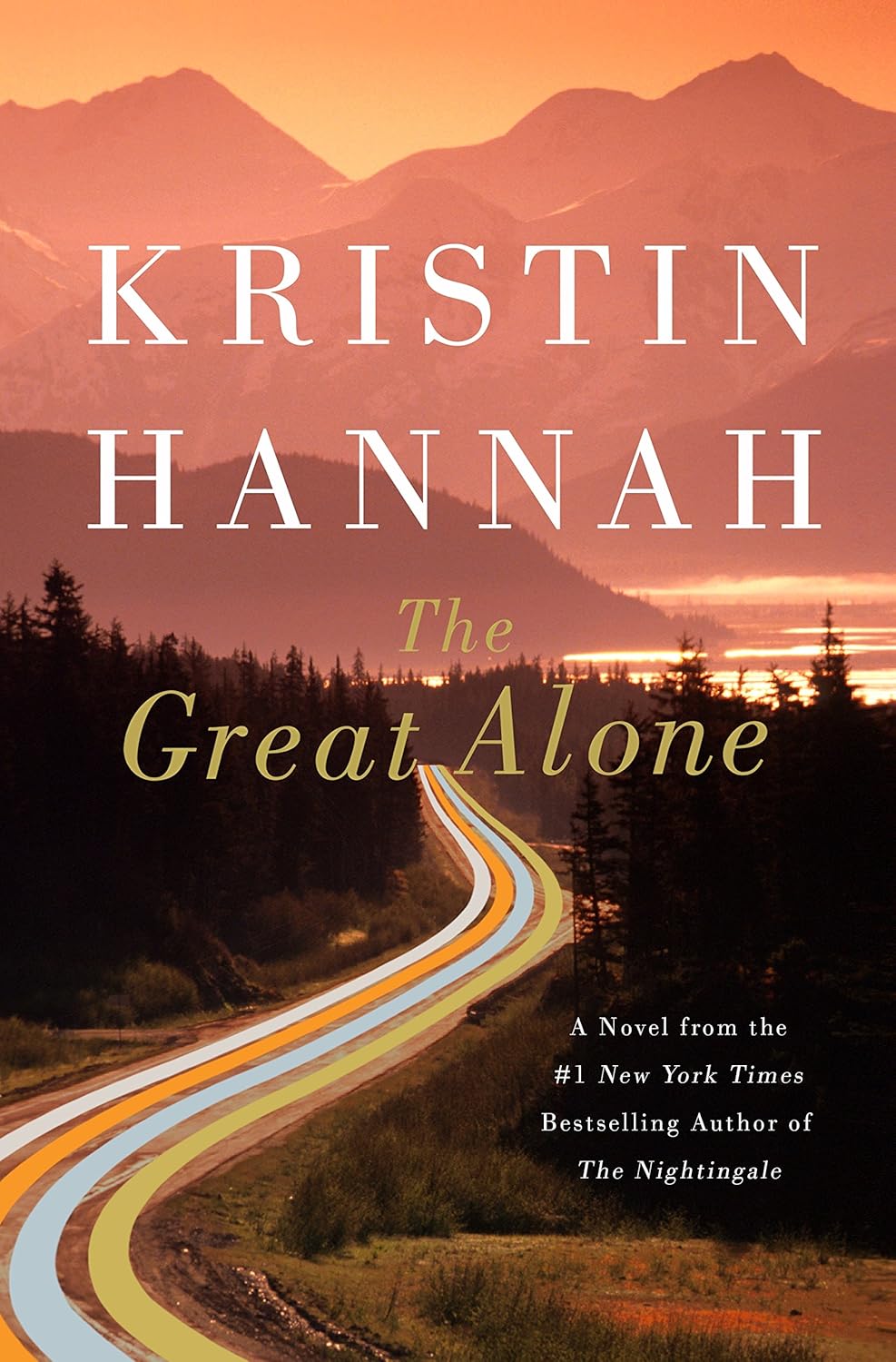
I haven’t read them all, but books by Hannah I haven’t read are on my TBR list. I love her writing, her characterization that makes me care, and her descriptions. Her plotting, twists, and turns keep me reading. I can’t comment on Hannah without pointing out the beautiful covers for most of her books, including the cover for Fly Away.

In this blog, I offer a different type of book review — one that’s combined with vocabulary building. The definitions here are for just a few words from Fly Away that I found interesting, unfamiliar, or unusual in use:

grief: noun 1. Deep sorrow, especially that caused by someone’s death. 2. Informal trouble or annoyance. 

From Fly Away

“Grief is a sneaky thing, always coming and going like some guest you didn’t invite and can’t turn away.”

AND

“Johnny closed his eyes. He’d worked so hard in the past few years to move past grief and fashion a new life for his family. He didn’t want to remember that terrible year, but how could he not—especially now?”

flotsam: noun. (Anglo-French flotesom, from Old French floter to float. Of Germanic origin: akin to Old English flotian to float, float ship) (circa 1607) 1. Floating wreckage of a ship or its cargo; broadly: floating debris. 2. a: a floating population (as of emigrants or castaways) b: an accumulation of miscellaneous or unimportant stuff. 

From Fly Away

“When she’d introduced him to her best friend, Kate Mularkey, who’d seemed paler and quieter, a bit of flotsam riding the crest of Tully’s wave, he’d barely noticed. It wasn’t until years later, when Katie dared to kiss him, that Johnny saw his future in a woman’s eyes.”

papasan chair: noun. a bowl-shaped cushioned chair often with a rattan base. 

From Fly Away

“His father-in-law, Bud, sat in the big papasan chair that easily held both boys when they played video games, and Sean, Kate’s younger brother, lay asleep on Will’s bed.”

de rigueur: adjective. (French)(1833) prescribed or required by fashion, etiquette, or custom: proper   

From Fly Away

“Her voice had that brittle sharpness that had become de rigueur since puberty. He sighed; even grief, it seemed, hadn’t softened his daughter. If anything, it had made her angrier.”

 Definitions are typically from the dictionary that comes with my Mac or Merriam Webster.

“The word is only a representation of the meaning; even at its best, writing almost always falls short of full meaning. Given that, why in God’s name would you want to make things worse by choosing a word which is only cousin to the one you really wanted to use?” ― Stephen KingOn Writing: A Memoir of the Craft.

A VOCABULARY BOOK REVIEW: ONE TRUE LOVES

Featured

One True Loves caught my devoted interest in the first chapter. That’s when Emma Blair’s husband, lost at sea in a helicopter crash years before, calls just as she’s finishing up a family dinner with her financé. The plot enfolds two love stories and Emma must make a choice, her forever choice. Author Taylor Jenkins Reid yanks a rope around your heart and keeps it restrained between the pages in this beautifully written tale that could have no better ending.

In addition to One True Loves, published in 2016, Reid has a number of titles under her belt including Daisy Jones &The Six, now a miniseries on Prime video. Visit her website at TaylorJenkinsReid.com for more information. 

In this blog, I offer a different type of book review — one that’s combined with vocabulary building. Included here are a few interesting words I found in One True Loves, written by Taylor Jenkins Reid and published by Washington Square Press, an imprint of Simon & Schuster.

The definitions here are for just a few words from One True Loves that I found interesting, unfamiliar, or unusual in use:

hooligan: noun. (perhaps from Patrick Hooligan—Irish hoodlum in Southwark, London 1898) Ruffian, hoodlum. 

From One True Loves

“To them, I had gone from a precious little girl to a hooligan overnight.”

conciliatory: adjective. 1. a. not flowing in a current or stream (stagnant water) b. Stale 2. Not advancing or developing. 

From One True Loves

“’I’m going to give Eli a conciliatory hug and then, Olive, we can head home,’ she said.”

gamine: noun. (French feminine of gamin) 1. A girl who hangs around on the streets. 2. A small playfully mischievous girl. adjective Of, relating to, or suggesting a gamine.   

From One True Loves

“The only change she can see is my short, blond hair.

‘It’s very gamine.’”

assuage: verb. 1. To lessen the intensity of (something that pains or distresses): ease. 2. Pacify, quiet. 3. To put an end to by satisfying: appease, quench.  

From One True Loves

“It was gestures like that, small acts of intimacy between them, that made me think my parents probably still had sex. I was both repulsed and somewhat assuaged by the thought.”

stagnant: adjective. 1. a. not flowing in a current or stream (stagnant water) b. Stale 2. Not advancing or developing. 

From One True Loves

“People aren’t stagnant. We evolve in reaction to our pleasures and pains.”

 Definitions are typically from the dictionary that comes with my Mac or Merriam Webster.

“The word is only a representation of the meaning; even at its best, writing almost always falls short of full meaning. Given that, why in God’s name would you want to make things worse by choosing a word which is only cousin to the one you really wanted to use?” ― Stephen KingOn Writing: A Memoir of the Craft.