Kristin Hannah Novel Honors The Women of Vietnam

Featured

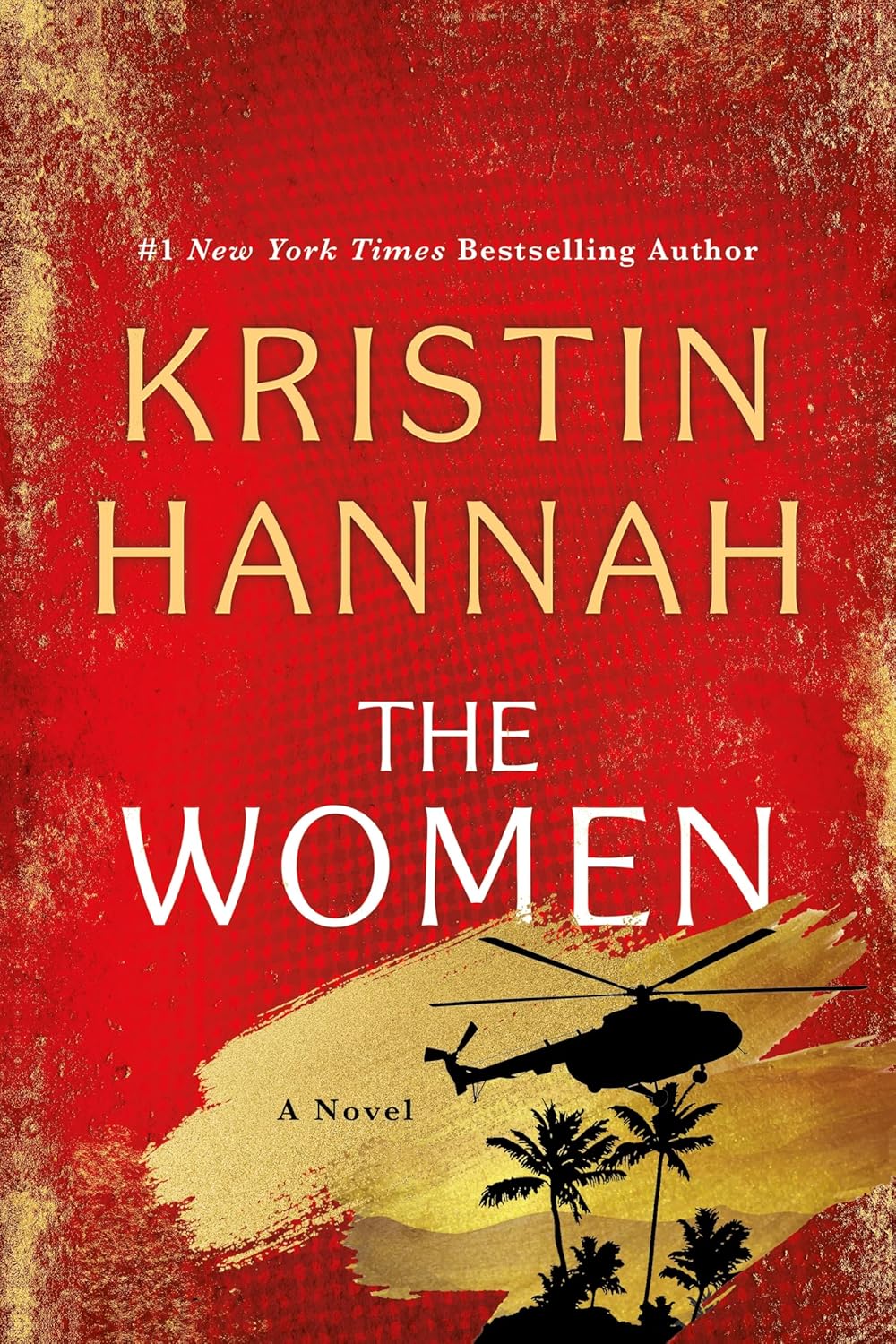
I read The Great Alone first and fell in love with Kristin Hannah’s writing. I’m envious of Hannah’s emotional telling of her stories. I loved The Women just as much as The Great Alone. It’s the story of the forgotten soldiers of the Vietnam War—the women who served. In particular, the novel centers on a nurse shoved into horrible circumstances, how she survives, learns and thrives, then comes home to a world that makes her feel ashamed of her service. It’s a story of self-challenge, bravery, sacrifice and, most of all, love.

In this blog I offer a different type of book review­—one that’s combined with vocabulary building. I found quite a few words in The Women that were unfamiliar. I love to look up words I don’t know or find words used in a wonky way I wouldn’t expect. I stayed away from the medical terms but included here are a few interesting words from The Women.

From The Women:

She could see that he wanted more from her, absolution maybe, but there was time ahead for that.

absolution: noun, formal release from guilt, obligation, or punishment. / an ecclesiastical declaration of forgiveness of sins.

From The Women:

At the last minute, she went in search of her ANC pin—a brass caduceus with its wings behind a bond N—and pinned it on her sweater.

caduceus: noun, an ancient Greet or Roman herald’s wand, typically one with two serpents twined around it, carried by the messenger god Hermes or Mercury. / a representation of this, traditionally associated with healing.

From The Women:

From the ferry’s car deck, she saw the almost-completed bridge; huge concrete stanchions rose out of the wavy blue water, curving from one shore toward the other.

stanchion: noun, an upright bar, post, or frame forming a support or barrier. / (in full cattle stanchion) a frame that holds the head of a cow in place, especially to facilitate milking.

From The Women:

She couldn’t wait to be welcomed home at last, to be admired for her service instead of reviled.

revile: verb, criticize in an abusive or angrily insulting manner

From The Women:

Thankfully, she had her boonie hat. It wasn’t fashionable, in fact was the opposite, but the olive-drab hat had become a favorite possession in ‘Nam, almost a companion, and it kept the sun out of her eyes. A dozen pins and patches decorated the crown, gifts she’d gotten from her patients. Each bore the insignia of some unit. The Screaming Eagles, the Seawolves, the Big Red One.

boonie hat: noun, a wide-brimmed, durable, and lightweight hat designed for maximum sun and rain protection, often featuring ventilation ports, a secure chin strap, and “branch loops” for camouflage. Popular with military, tactical operators, and outdoor enthusiasts, they are made from ripstop fabric for durability in harsh environments.

From The Women:

They each ordered an ao dai to be made in soft, diaphanous silk, and Frankie bought a bolt of silver silk shantung for her mother and an ornate brass cigar cutter for her father.

ao dai: noun, a Vietnamese woman’s long-sleeved tunic with ankle-length panels at front and bak, worn over trousers.

diaphanous: adjective, (especially of fabric) light, delicate, and translucent.

shantung: noun, a dress fabric spun from tussore silk with random irregularities in the surface texture.

What interesting words or terms have you found in your recent reading?

 Definitions are typically from the dictionary that comes with my Mac or The New Oxford American Dictionary.

To connect or learn more about Kristin Hannah, find her at KristinHannah.com.

“The word is only a representation of the meaning; even at its best, writing almost always falls short of full meaning. Given that, why in God’s name would you want to make things worse by choosing a word which is only cousin to the one you really wanted to use?” Stephen King, On Writing: A Memoir of the Craft
The Great Alone Digs Deep in Alaska and Emotion

Featured

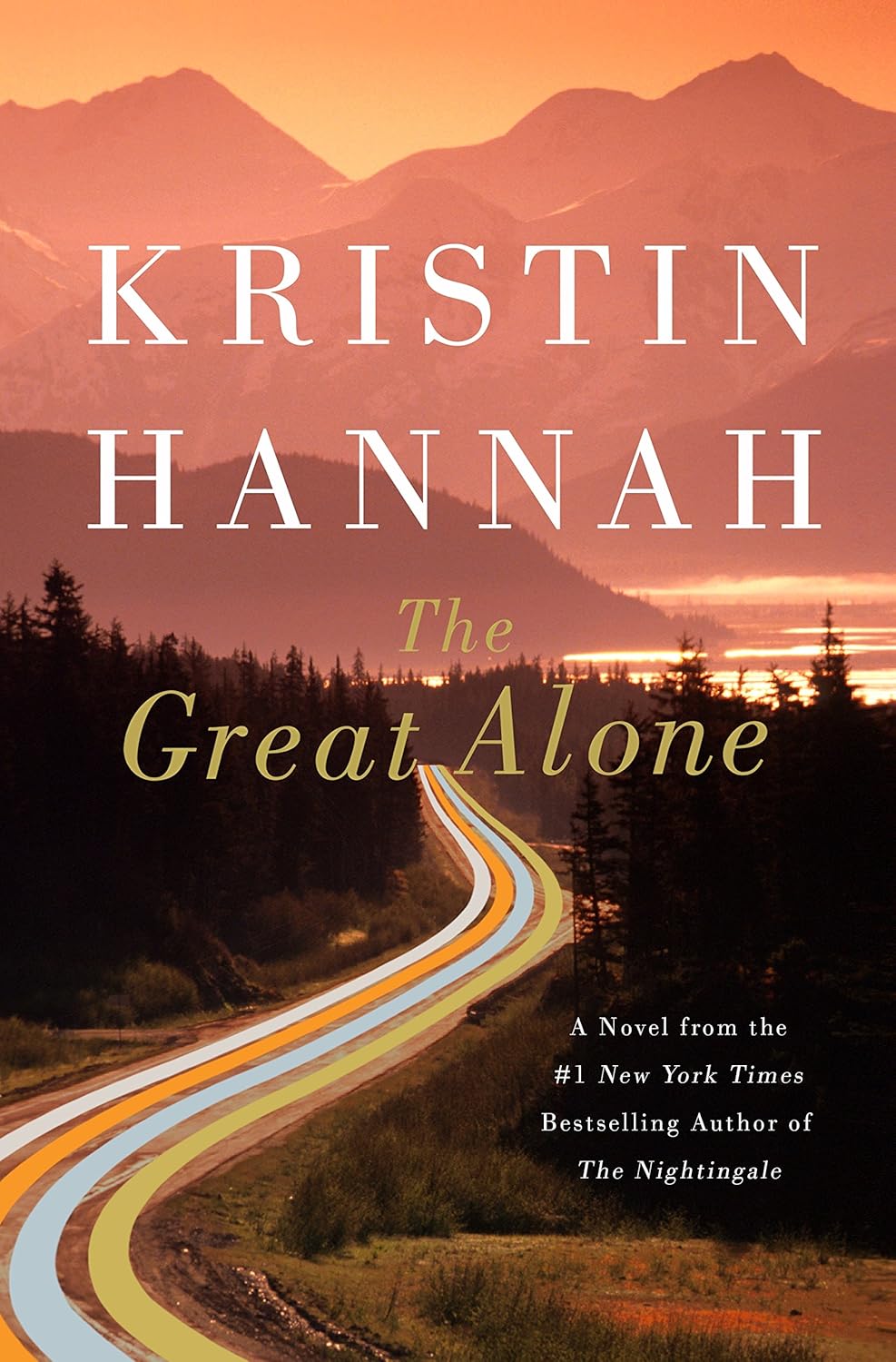
This novel made me fall in love with Kristin Hannah’s writing. Hannah knows how to weave detail and emotion into a reading experience that immerses the reader in not only the world she creates but also in the gut or heart of the characters.

The Great Alone starts with the tale of a girl growing up and learning her way in the lonely wilderness of Alaska. Her father suffers from PTSD and alcoholism while her mother’s love for him blinds her to his abuse and the unhinged way he views the world until it’s too late. I’m reading The Women now and finding it just as immersive for the reader.

In this blog I offer a different type of book review­—one that’s combined with vocabulary building. I listened to The Great Alone on audio and heard a number of words I found unfamiliar. I’ll define just a couple of them here.

From The Great Alone:

Whenever Leni woke in the middle of the night, she invariably found her mother drifting through the house, her diaphanous robe trailing open.

diaphanous: adjective, (especially of fabric) light, delicate, and translucent.

From The Great Alone:

They hurried up the stairs and tiptoed down the unlit hallway and into the master bedroom, a huge room with mullion windows and olive-green carpet.

mullion: noun, a vertical bar between the panes of glass in a window.

What interesting words or terms have you found in your recent reading?

 Definitions are typically from the dictionary that comes with my Mac or The New Oxford American Dictionary.

To connect or learn more about Kristin Hannah, find her at KristinHannah.com.

“The word is only a representation of the meaning; even at its best, writing almost always falls short of full meaning. Given that, why in God’s name would you want to make things worse by choosing a word which is only cousin to the one you really wanted to use?” Stephen King, On Writing: A Memoir of the Craft
Klune Creates a World of Magic and a Tale of Prejudice

Featured

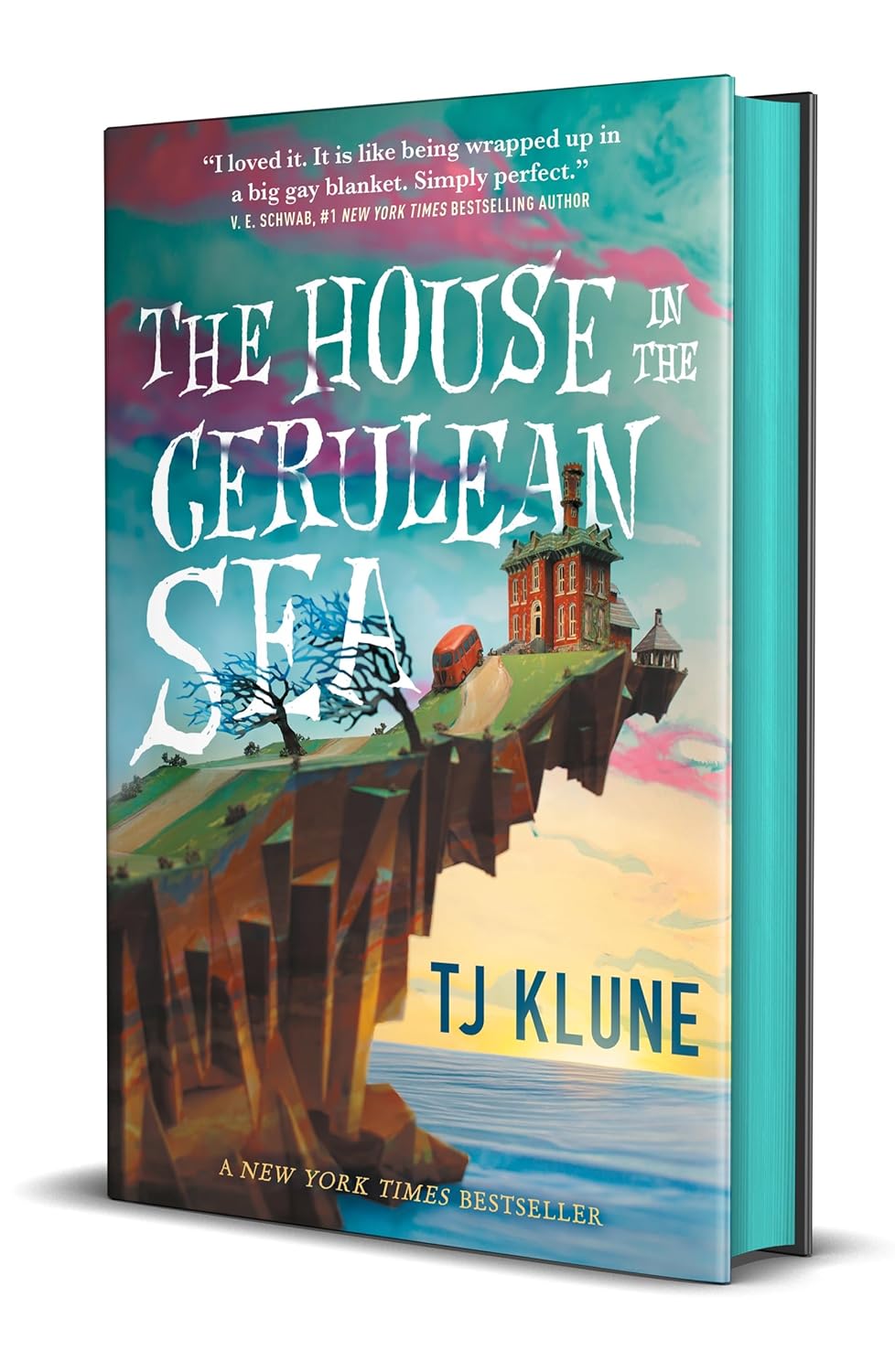
T. J. Klune offers up a story of magic and strife against prejudice in The House in the Cerulean Sea. Yet there’s something even deeper in a theme about living a worthwhile life. This quote from early in the book summed up that thought:

“It does me no good. Facts., Mr. Parnassus. I deal in facts. Curiosities lead to flights of fancy, and I can’t afford to be distracted.”

“I can’t imagine a life lived in such a way,” Mr. Parnassus said quietly. “It sounds like no life lived at all.”

In this blog I offer a different type of book review­—one that’s combined with vocabulary building. In The House in the Cerulean Sea I found a number of words that had me curious about their use or meaning.

From The House in the Cerulean Sea:

He pointed toward a copse of trees just off the beach. It looked dark and foreboding.

They eventually made their way to familiar ground, and in the distance Linus could see a copse of trees that hid the house of an island sprite.  

copse: noun, a small group of trees

From The House in the Cerulean Sea:

That and the fact he’d recently turned forty, and all he had to show for it was a tiny house, a crusty cat that would probably outlive everyone, and an every-expanding waistline his doctor had poked and prodded with a strange amount of glee while bloviating about the wonders of dieting.

bloviate: verb (no object) U.S. English informal – talk at length, especially in an inflated or empty way

From The House in the Cerulean Sea:

The woman’s hair was cut into a petite bob, and she wore a large brooch in the shape of a beetle, the carapace iridescent.

carapace: noun, the hard upper shell of a turtle, crustacean, or arachnid / something regarded as a protective or defensive covering

From The House in the Cerulean Sea:

The air was thick and redolent, and it made him slightly dizzy.

redolent: adjective 1. (redolent of/with) strongly reminiscent or suggestive of / literary – strongly smelling of  2. archaic, or literary – fragrant or sweet-smelling

From The House in the Cerulean Sea:

His aquiline nose had a bump in the center, as if it’d been broken once long ago and never set right.

aquiline: adjective, hooked, curved, hook-shaped, hooklike, bent, bowed, angular

From The House in the Cerulean Sea:

There was always a note of artifice to their bright words of happiness and joy and No, Mr. baker, absolutely nothing is wrong, and I am filled with joy.

artifice: adjective, making a strong, affected, or pretentious display of being artistic or interested in the arts

From The House in the Cerulean Sea:

At dinner, Lucy had been grinning at Linus the whole time, and though it had the same devilish tinge to it, Linus didn’t think it was nefarious.

nefarious: adjective, (typically of an action or activity) wicked or criminal

From The House in the Cerulean Sea:

His luggage was beside him. Calliope too, in her crate, though she wasn’t amused at the early hour. Linus could commiserate, especially since he hadn’t slept a wink.

commiserate: verb, express or feel sympathy or pity; sympathize

From The House in the Cerulean Sea:

Arthur sighed. “Not—not physically. But he’s an expert in self-flagellation after. If something is broken, no matter who it belongs to , he always carries the guilt upon his shoulders.”

self-flagellation: noun, the action of flogging oneself, especially as a form of religious discipline / excessive criticism of oneself

What interesting words or terms have you found in your recent reading?

To connect or learn more about T. J. Klune and his books, check out his website at tjklunebooks.com.

 Definitions are typically from the dictionary that comes with my Mac or The New Oxford American Dictionary.

“The word is only a representation of the meaning; even at its best, writing almost always falls short of full meaning. Given that, why in God’s name would you want to make things worse by choosing a word which is only cousin to the one you really wanted to use?” Stephen King, On Writing: A Memoir of the Craft
A Tender Story of Love and Gravity

Featured

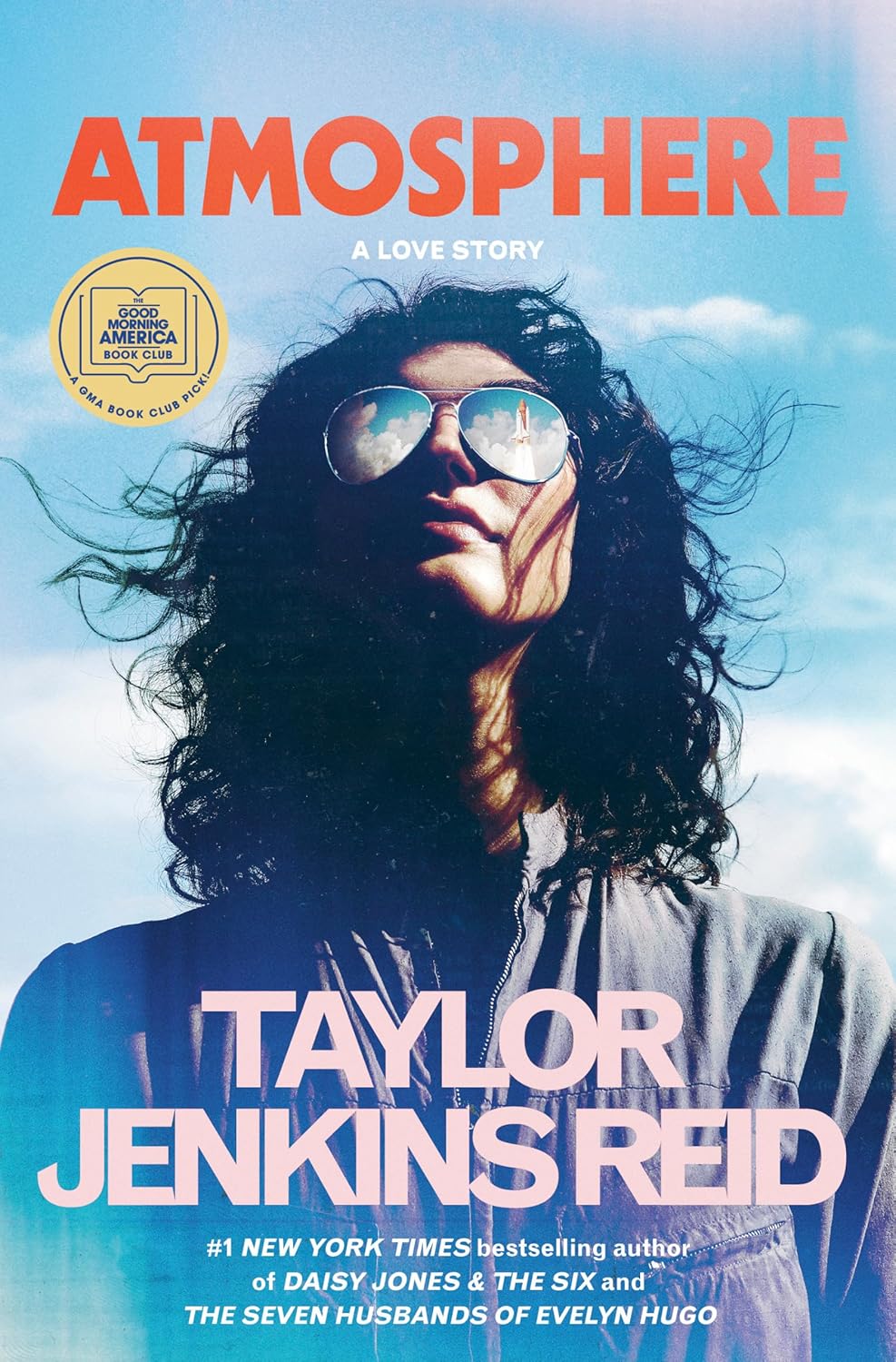
I found Atmosphere by Taylor Jenkins Reid a captivating read. The book is filled with tension that carries until the very last page, fantastic detail about the space program, and a super sweet love story.  

In this blog I offer a different type of book review­—one that’s combined with vocabulary building. In Atmosphere I tried to stay away from the scientific terms and found other interesting choices.

From Atmosphere:

“My dad taught me when I was little. Bravery is being unafraid of something other people are afraid of. Courage is being afraid, but strong enough to do it anyway.”

bravery: noun, courageous behavior or character

courage: noun, the ability to do something that frightens one, strength in the face of pain or grief

From Atmosphere:

You could develop your personality your entire life—pursue the things you wanted to learn, discover the most interesting parts of yourself, hold yourself to a certain standard—and then you marry a man and suddenly his personality, his wants, his standards subsume your own?

subsume: verb, include or absorb (something) in something else

From Atmosphere:

The parabolas, when executed properly, simulated microgravity.

parabolas: noun, a symmetrical open plane curve formed by the intersection of a cone with a plane parallel to its side. The path of a projectile under the influence of gravity ideally follows a curve of this shape.

From Atmosphere:

“No, nothing’s funny. It’s just … you’re so … dauntless.”

dauntless: adjective, showing fearlessness and determination

What interesting words or terms have you found in your recent reading?

To connect or learn more about Taylor Jenkins Reid and her books, find her at taylorjenkinsreid.com

 Definitions are typically from the dictionary that comes with my Mac or The New Oxford American Dictionary.

“The word is only a representation of the meaning; even at its best, writing almost always falls short of full meaning. Given that, why in God’s name would you want to make things worse by choosing a word which is only cousin to the one you really wanted to use?” Stephen King, On Writing: A Memoir of the Craft
Henry’s BOOK LOVERS Perfect Valentine’s Read

Featured

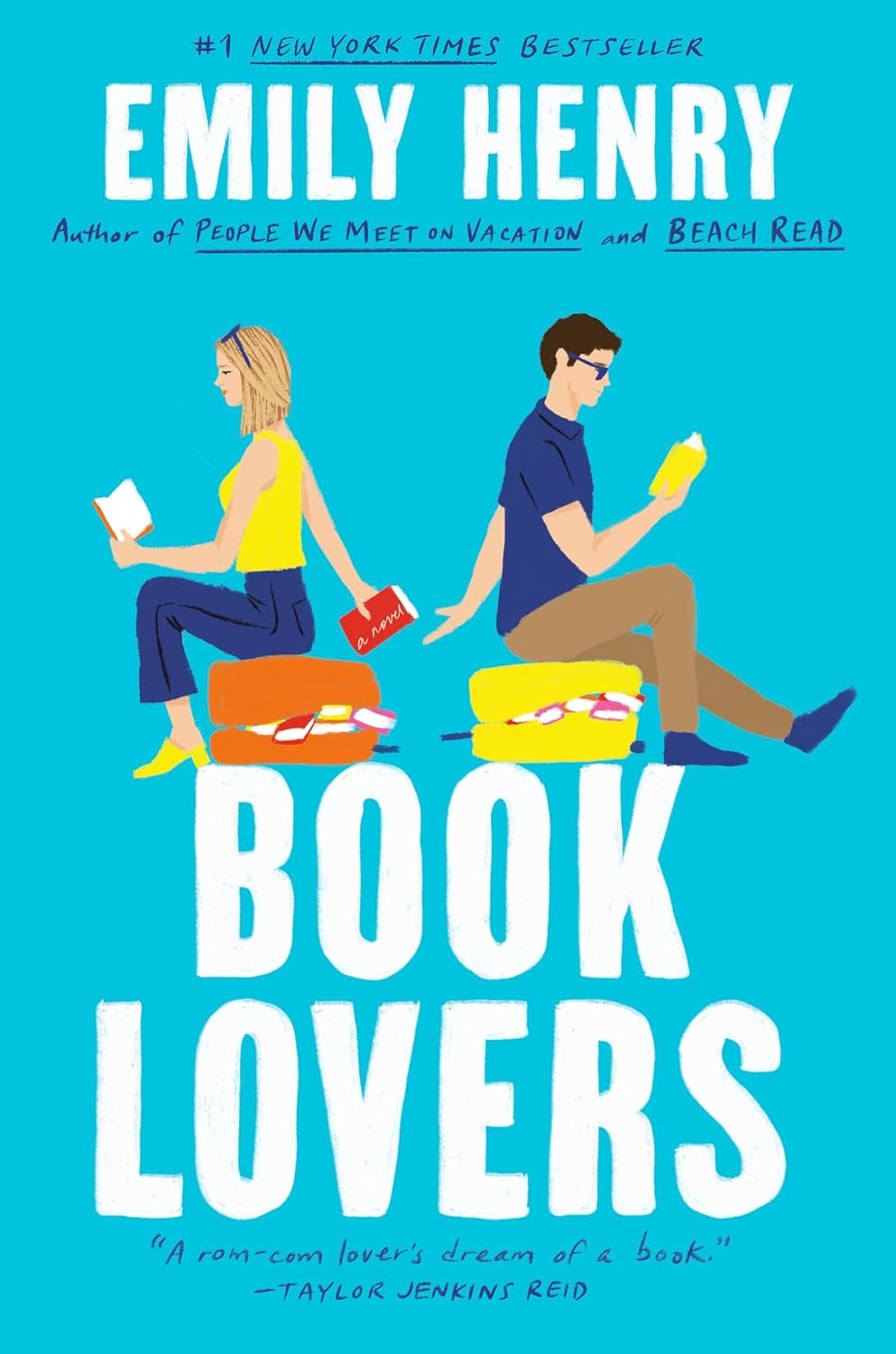
Emily Henry is always a good go-to read for the month of February. Even though I really loved the tale of sisters and their relationship in Book Lovers, the spark between two publishing pros was romance heaven. Henry’s characters and their drive for family and love make Book Lovers a must read for romance lovers.

In this blog I offer a different type of book review­—one that’s combined with vocabulary building. In Book Lovers I found a couple of interesting words to explore.

From Book Lovers:

I huff. I wouldn’t call it bloodsport. I don’t revel in exsanguination. I do it for my clients.

exsanguination: noun, Medicine, the action of draining a person, animal, or organ of blood

From Book Lovers:

Nothing makes a coterie of already neurotic authors quite so neurotic as publishing’s annual slow season.

coterie: noun, a small group of people with shared interests or tastes, especially one that is exclusive of other people

From Book Lovers:

A force majeure intervened to keep him in San Antonio longer than planned. His appendix burst.  

force majeure: noun, 1. Law, unforeseeable circumstances that prevent someone form fulfilling a contract. 2. Irresistible compulsion or greater force.

What interesting words or terms have you found in your recent reading?

 Definitions are typically from the dictionary that comes with my Mac or The New Oxford American Dictionary.

To connect or learn more about Emily Henry and her books, find her at emilyhenrybooks.com.

“The word is only a representation of the meaning; even at its best, writing almost always falls short of full meaning. Given that, why in God’s name would you want to make things worse by choosing a word which is only cousin to the one you really wanted to use?” Stephen King, On Writing: A Memoir of the Craft
RACIAL TENSIONS FLARE IN A CALAMITY OF SOULS

Featured

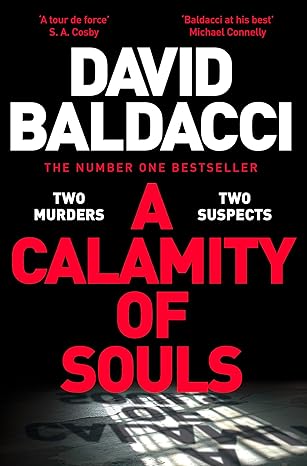
A Calamity of Souls by David Baldacci is a heart-wrenching and tension-filled read of racial prejudice that reminded me of both of the classic American novel To Kill a Mockingbird and Nancy Hartney’s The Blue Bottle Tree. In all three, the emotion levels run high and keep a reader enthralled.

I offer a different type of book review here­—one that’s combined with vocabulary building or sometimes just a fun look at words. For Baldacci’s novel, I chose a legal term I hadn’t heard previously but played heavily in the novel.

From A Calamity of Souls:

“This is absurd!” barked Sam Randolph. “Why would my parents have created this…this tontine device? It makes no sense at all.”

tontine, noun: an annuity shared by subscribers to a loan or common fund, the shares increasing as subscribers die until the last survivor enjoys the whole income. Also, a life insurance plan in which the beneficiaries are those who survive and maintain a policy to the end of a given period.

Origin: mid-18th century: from French, named after Lorenzo Tonti (1630-95), a Neapolitan banker who started such a scheme to raise government loans in France (c.1653).

Check out David Baldacci at https://www.davidbaldacci.com/

 Definitions are typically from the dictionary that comes with my Mac or The New Oxford American Dictionary.

What interesting words have you discovered in your recent reading?

“The word is only a representation of the meaning; even at its best, writing almost always falls short of full meaning. Given that, why in God’s name would you want to make things worse by choosing a word which is only cousin to the one you really wanted to use?” Stephen King, On Writing: A Memoir of the Craft.

Moyes’ Novel Dives into Heart of Family

Featured

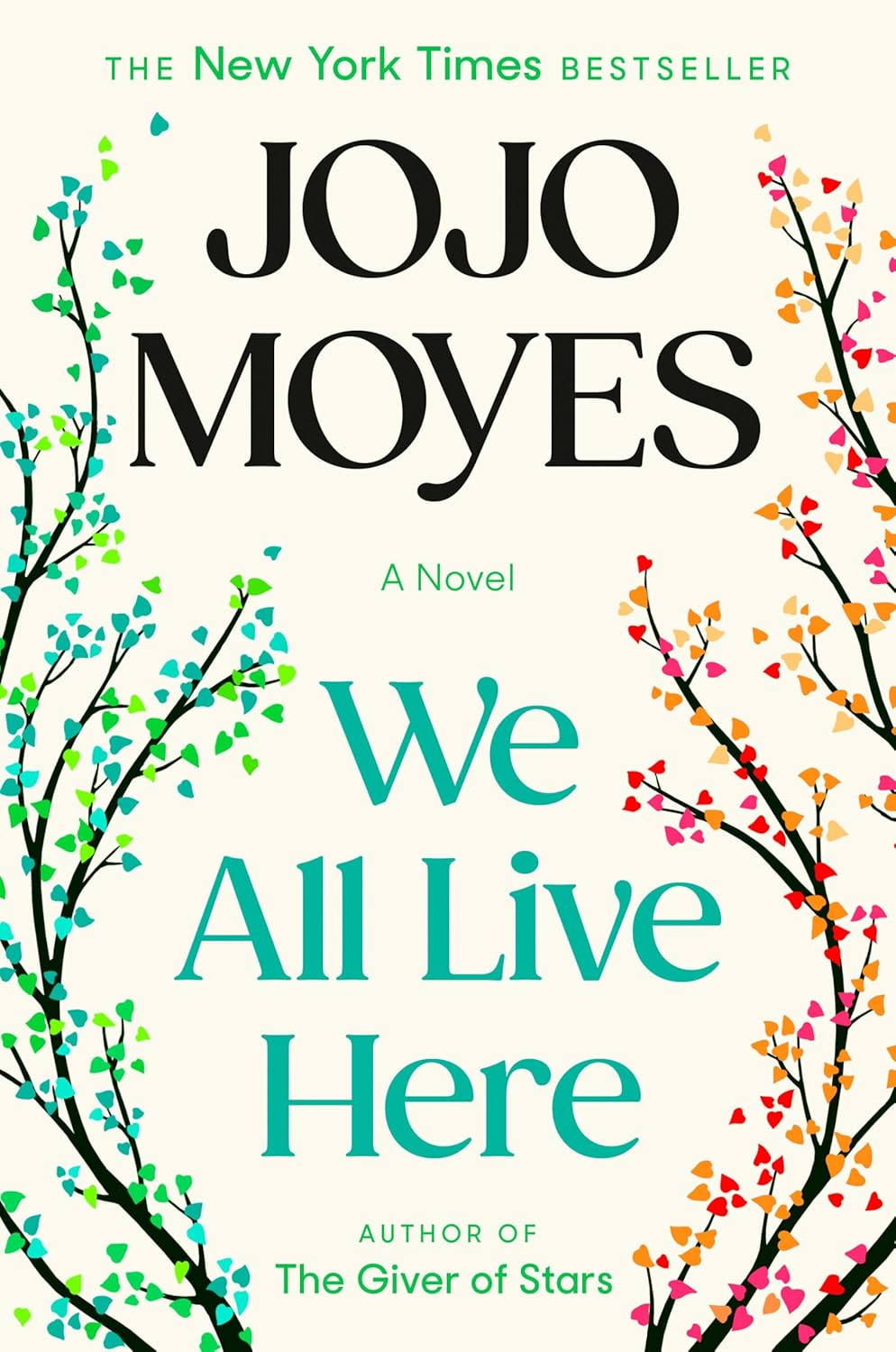
We All Live Here is my first Jojo Moyes read, and I’m hooked. She knows how to write women with an honesty that pulls you in for the good, bad and everything in between.

This novel centers on Lila Kennedy, a writer of a book on how to stay happily married, but soon after publication lost her husband to another woman. While she’s trying to recover from the professional embarrassment and the divorce, Lila’s also trying adjust to single parenthood, living with her stepfather after her mother’s death, and the re-emergence of her estranged biological father. Lila and her remaining family struggle with loyalty, love, and forgiveness as truths about the past emerge and their lives evolve in the wake.

In this blog, I offer a different type of book review­—one that’s combined with vocabulary building. In We All Live Here I found a couple of unfamiliar words and an interesting phrase.

From We All Live Here:

She wanted to sleep with him again, and she was terrified of what that might mean. She told him apropos of nothing that she had read a statistic that said 60 percent of all second marriages failed, and that was especially likely if one side had children.

apropos of nothing: phrase, having no relevance to any previous discussion or situation.

From We All Live Here:

He is now wearing a tweed jacket of Bill’s and a cravat.

cravat: noun, a short, wide strip of fabric worn by men around the neck and tucked inside an open-necked shirt. — historical, a necktie

From We All Live Here:

On Wednesdays Bill cooks for everyone, and it’s a shambolic, but cheerful event.

shambolic: adjective, informal, mainly British English, chaotic, disorganized, or mismanaged

If you read and enjoy We All Live Here, check out Jojo Moyes at https://www.jojomoyes.com and pick up her books at your local bookstore.

 Definitions are typically from the dictionary that comes with my Mac or The New Oxford American Dictionary.

“The word is only a representation of the meaning; even at its best, writing almost always falls short of full meaning. Given that, why in God’s name would you want to make things worse by choosing a word which is only cousin to the one you really wanted to use?” Stephen King, On Writing: A Memoir of the Craft
Beth Carter Gifts Romance Readers with Fun Holiday Tales

Featured

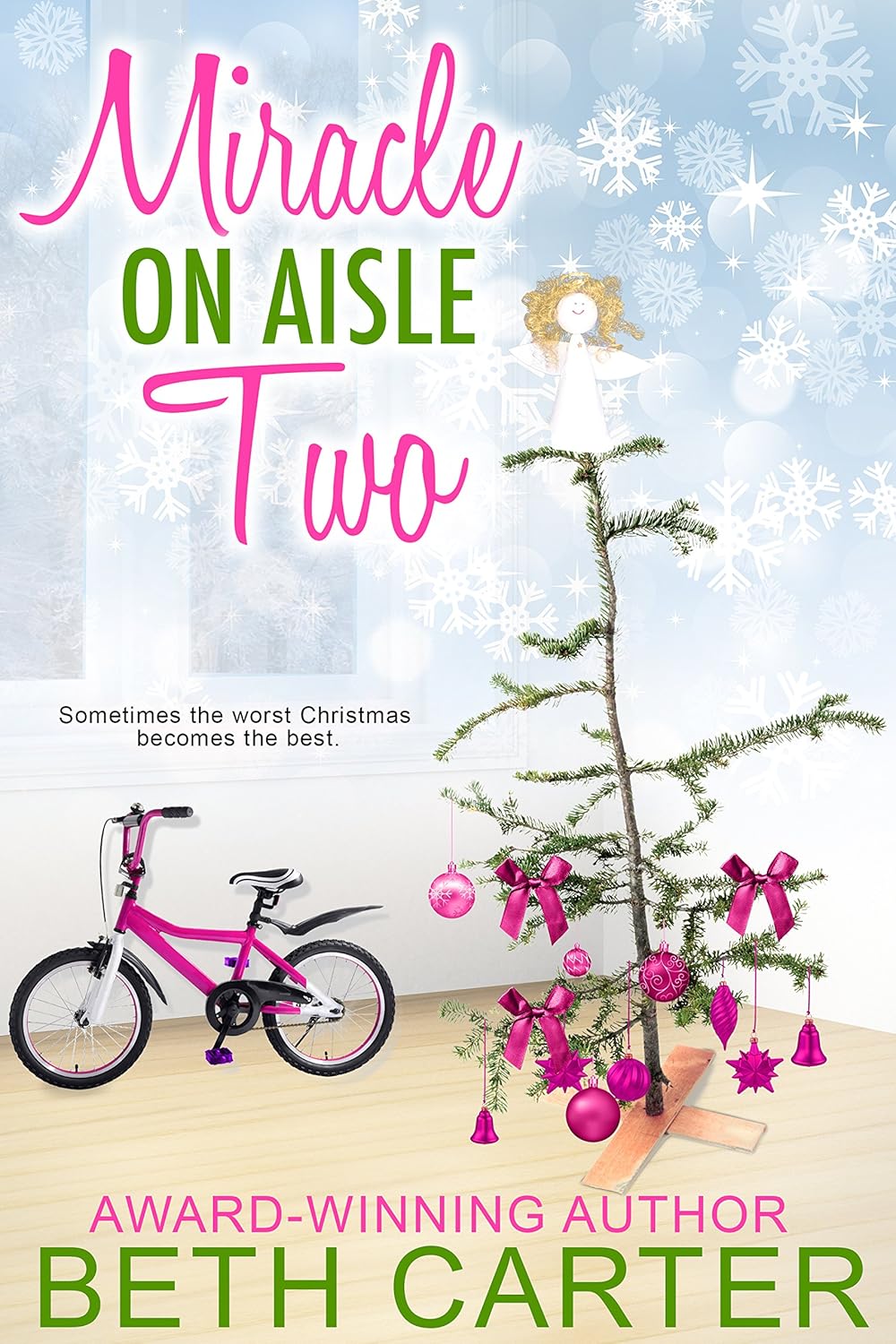
I enjoy holiday-themed books this time of year. Last year, I read romance writer Beth Carter’s Miracle on Aisle Two. Then she surprises me with yet another romance out this Christmas!

Carter’s holding an online launch party for The Christmas Fib this Thursday (Dec. 18), per her Facebook page. I just finished reading The Christmas Fib. It’s a fun page turner that starts with Brooke Hamilton opting to relax alone for the holidays and lying to her mother about being ill to make it happen. Shouldering grief for her dad and guilt about the big lie, she hopes to create new holiday memories in the snow-capped mountains of Colorado. When Brooke checks into a quaint inn, this fun holiday story unfolds with lots of wonderful glittering Christmas treats and all the romance you could ask for from Santa. The Christmas Fib may just be more fun than Carter’s first Christmas romance, Miracle on Aisle Two!

As always, I try to highlight a few words for this book review blog. For these two delightful holiday reads, I simply picked words pertaining to the season.

From The Christmas Gift:  “’Mom.’ Tate rolled his eyes. ‘You know I don’t believe in Santa.’

‘In that case, no gifts for you from Old Saint Nick.’

Gift, noun. 1. a thing given willingly to someone without payment; a present.

  • an act of giving something as a present
  • a very easy task or unmissable opportunity

2. a natural ability or talent.

verb, give (something) as a gift, especially formally or as a donation or bequest

  • present (someone) with a gift or gifts
  • endow with

From The Christmas Gift: “I’m planning to make all of your favorite things. You know, those fun treats we always make at Christmastime like chocolate-covered cashews, butterscotch haystacks, and your favorite, chocolate rum pecan pie. I also bought stuff to we could make those pretty holly centerpieces, and—”

Christmastime, noun. the Christmas season. Christmas is a Christian holiday to celebrate the birth of Jesus, the central figure of Christianity.

From Miracle on Aisle Two: Sobbing happy tears, she mumbled, “I love you, too. If I didn’t believe in miracles before, I certainly do now.”

Miracle noun. a surprising and welcome event that is not explicable by natural or scientific laws and is therefore considered to be the work of a divine agency.

  • a highly improbable or extraordinary event, development, or accomplishment that brings very welcome consequences
  • an amazing product or achievement, or an outstanding example of something. 

ORIGIN: Middle English: via Old French from Latin miraculum ‘object of wonder,’ from mirari ‘to wonder,’ from mirus ‘wonderful.’

Check out Beth Carter’s Christmas romances and her Coconuts series onAmazon

Or, see her Facebook at page https://www.facebook.com/authorbethcarter

 Definitions are typically from the dictionary that comes with my Mac or The New Oxford American Dictionary.

“The word is only a representation of the meaning; even at its best, writing almost always falls short of full meaning. Given that, why in God’s name would you want to make things worse by choosing a word which is only cousin to the one you really wanted to use?” Stephen King, On Writing: A Memoir of the Craft.

Henry’s HAPPY PLACE Snicks a Chunk of Heart

Featured

Happy Place by one of my romance favorites, Emily Henry, takes a piece of your heart with this one. The story had me flipping the pages as the tension built between this couple that should be together, was once together, and then split after letting childhood hurts come between them. Henry does wonders with character development, builds a world of unique friends, each bringing something different to the story. I had to see if this sweet couple would get back together with the help of their friends, or would their breakup cause the tight group to fall apart as well. I enjoyed every chapter!

In this blog I offer a different type of book review­—one that’s combined with vocabulary building or sometimes just a fun look at words.

In Happy Place, I noticed a word I rarely see, and the sentence is so yummingly Henry, it had to be included for this review.

From Happy Place:

The second the door snicks shut, I whirl on him, prepared to attack, only to be hit with the full force of his closeness, the strange intensity of being behind a closed door together.

snick, verb: 1- cut a small notch or incision in (something) 2- cause (something) to make a sharp clicking sound, make a sharp clicking sound.

 Definitions are typically from the dictionary that comes with my Mac or The New Oxford American Dictionary.

“The word is only a representation of the meaning; even at its best, writing almost always falls short of full meaning. Given that, why in God’s name would you want to make things worse by choosing a word which is only cousin to the one you really wanted to use?” Stephen King, On Writing: A Memoir of the Craft.

Haig’s Christmas Series Offers Holiday Fun for Young Readers

Featured

The Girl Who Saved Christmas is an absolute fun read for the holidays and would be a great Christmas gift for a younger reader. I’d seen the film adaptation of Matt Haig’s A Boy Called Christmas last year and spotted this gem at the library while looking for middle-grade fiction. I want to read Father Christmas sometime in the coming weeks. I’m sure it’s just as delightful. The stories are full of adventure and Christmas magic. (Side note: I’ve written a middle-grade Christmas book myself that’s set to publish in 2026.)

In this blog I offer a different type of book review­—one that’s combined with vocabulary building. Included here, are a few interesting words I found in The Girl Who Saved Christmas by Matt Haig.

These particular words are not unfamiliar in meaning but are important to the book and appropriate for the coming holiday season:

possibility: noun. a thing that may happen or be the case; the state or fact of being likely or possible; likelihood; a thing that may be chosen or done out of several possible alternatives; unspecified qualities of a promising nature; potential.

From The Girl Who Saved Christmas

“She was the one who had hoped the most that first-ever Christmas. The one who had put enough magic in the air simply by believing in it. And that was before any child in the world had known about Father Christmas. She had believed. Not in him. But in possibility. In the kind of possibility that could mean something like delivering toys to every child on earth could actually happen.”

magic: noun. the power of apparently influencing the course of events by using mysterious or supernatural forces; mysterious tricks, such as making things disappear and appear again, performed as entertainment; a quality that makes something seem removed from everyday life, especially in a way that gives delight. — adjective. used in magic or working magic; having or apparently having supernatural powers. — verb. move, change, or create by or as if by magic.

From The Girl Who Saved Christmas

“I was so happy that Christmas, opening those presents. So, so, so happy. Not because of the presents, but because of the magic that had brought them there. To know magic exists.”

time: noun. 1. the indefinite continued progress of existence and events in the past, present, and future regarded as a whole. 2. a point of time as measured in hours and minutes past midnight or noon. 3. time as allotted, available, or used. 4. An instance of something happening or being done; an occasion. 5. (times) (following a number) expressing multiplication. 6. The rhythmic patter of a piece of music, as expressed by a time signature. — verb. 1. plan, schedule, or arrange when (something) should happen or be done. 2. measure the time taken by (a process, activity, etc., or a person doing it).

From The Girl Who Saved Christmas

“She closed her eyes and thought of time. If only she could go back in time to be with her mother again. Or forward to when she could leave this place.”

 Definitions are typically from the dictionary that comes with my Mac or The New Oxford American Dictionary.

“The word is only a representation of the meaning; even at its best, writing almost always falls short of full meaning. Given that, why in God’s name would you want to make things worse by choosing a word which is only cousin to the one you really wanted to use?”

Stephen King, On Writing: A Memoir of the Craft.