Moyes’ Novel Dives into Heart of Family

Featured

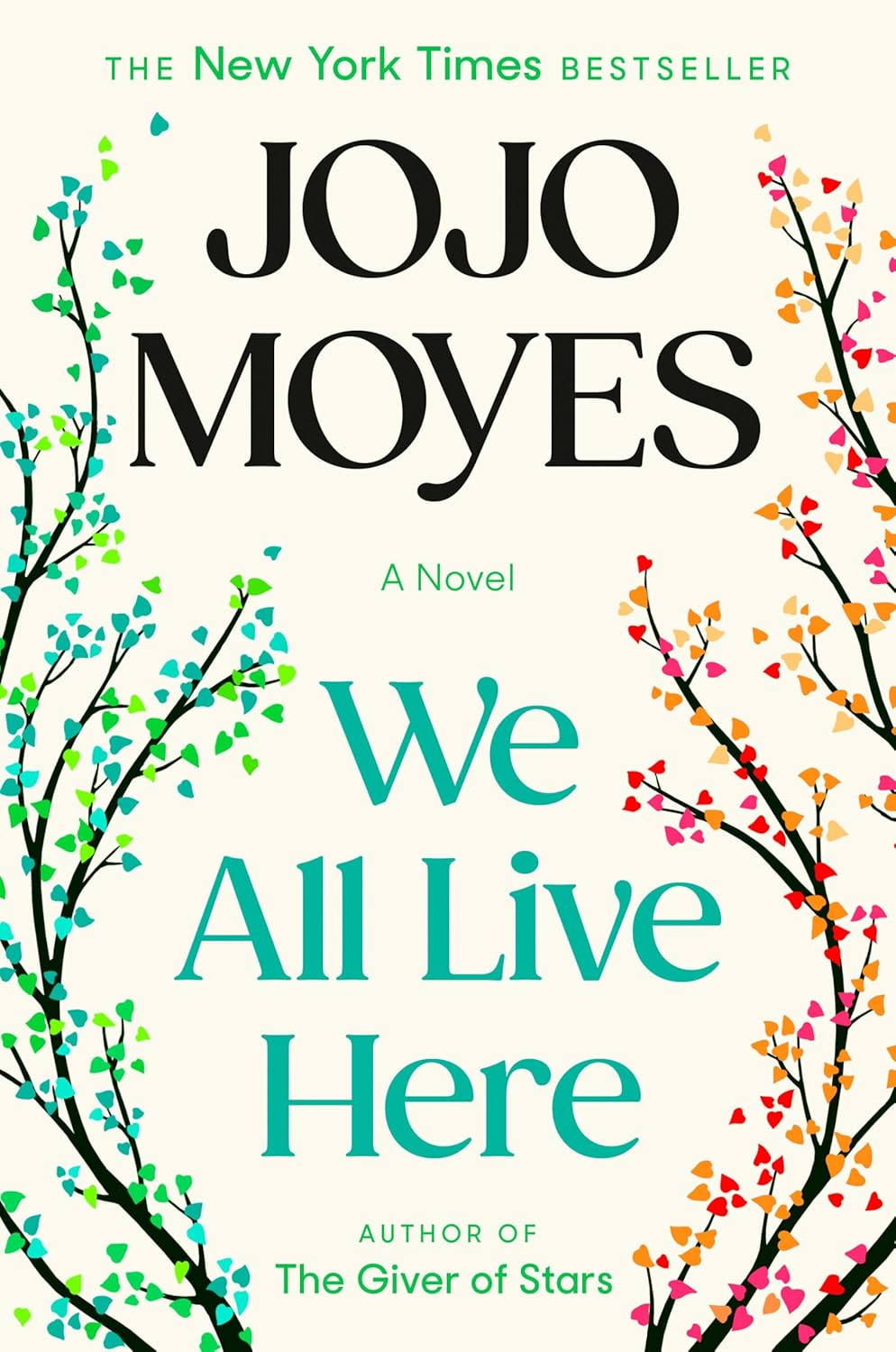
We All Live Here is my first Jojo Moyes read, and I’m hooked. She knows how to write women with an honesty that pulls you in for the good, bad and everything in between.

This novel centers on Lila Kennedy, a writer of a book on how to stay happily married, but soon after publication lost her husband to another woman. While she’s trying to recover from the professional embarrassment and the divorce, Lila’s also trying adjust to single parenthood, living with her stepfather after her mother’s death, and the re-emergence of her estranged biological father. Lila and her remaining family struggle with loyalty, love, and forgiveness as truths about the past emerge and their lives evolve in the wake.

In this blog, I offer a different type of book review­—one that’s combined with vocabulary building. In We All Live Here I found a couple of unfamiliar words and an interesting phrase.

From We All Live Here:

She wanted to sleep with him again, and she was terrified of what that might mean. She told him apropos of nothing that she had read a statistic that said 60 percent of all second marriages failed, and that was especially likely if one side had children.

apropos of nothing: phrase, having no relevance to any previous discussion or situation.

From We All Live Here:

He is now wearing a tweed jacket of Bill’s and a cravat.

cravat: noun, a short, wide strip of fabric worn by men around the neck and tucked inside an open-necked shirt. — historical, a necktie

From We All Live Here:

On Wednesdays Bill cooks for everyone, and it’s a shambolic, but cheerful event.

shambolic: adjective, informal, mainly British English, chaotic, disorganized, or mismanaged

If you read and enjoy We All Live Here, check out Jojo Moyes at https://www.jojomoyes.com and pick up her books at your local bookstore.

 Definitions are typically from the dictionary that comes with my Mac or The New Oxford American Dictionary.

“The word is only a representation of the meaning; even at its best, writing almost always falls short of full meaning. Given that, why in God’s name would you want to make things worse by choosing a word which is only cousin to the one you really wanted to use?” Stephen King, On Writing: A Memoir of the Craft
Haig’s Christmas Series Offers Holiday Fun for Young Readers

Featured

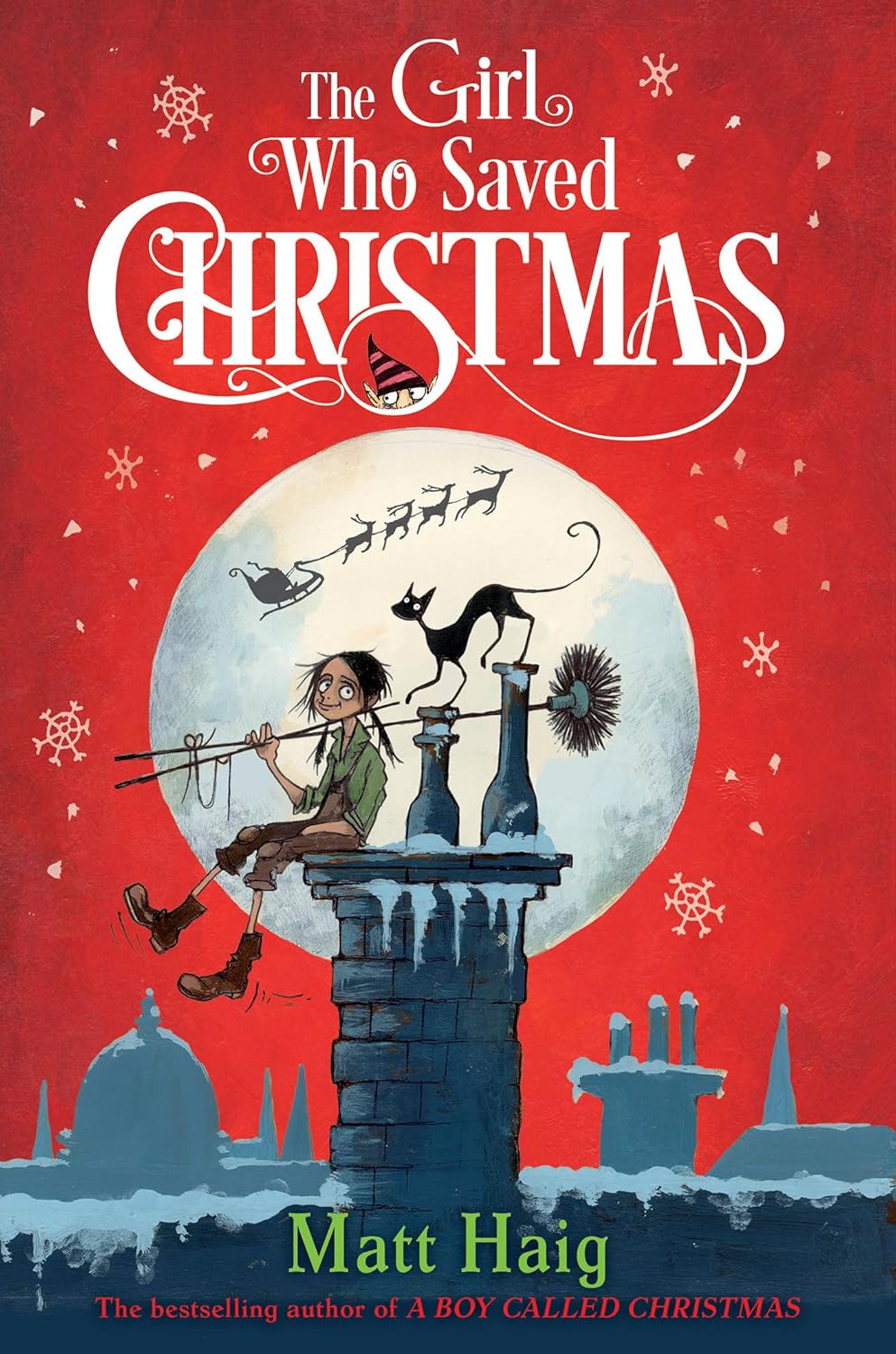
The Girl Who Saved Christmas is an absolute fun read for the holidays and would be a great Christmas gift for a younger reader. I’d seen the film adaptation of Matt Haig’s A Boy Called Christmas last year and spotted this gem at the library while looking for middle-grade fiction. I want to read Father Christmas sometime in the coming weeks. I’m sure it’s just as delightful. The stories are full of adventure and Christmas magic. (Side note: I’ve written a middle-grade Christmas book myself that’s set to publish in 2026.)

In this blog I offer a different type of book review­—one that’s combined with vocabulary building. Included here, are a few interesting words I found in The Girl Who Saved Christmas by Matt Haig.

These particular words are not unfamiliar in meaning but are important to the book and appropriate for the coming holiday season:

possibility: noun. a thing that may happen or be the case; the state or fact of being likely or possible; likelihood; a thing that may be chosen or done out of several possible alternatives; unspecified qualities of a promising nature; potential.

From The Girl Who Saved Christmas

“She was the one who had hoped the most that first-ever Christmas. The one who had put enough magic in the air simply by believing in it. And that was before any child in the world had known about Father Christmas. She had believed. Not in him. But in possibility. In the kind of possibility that could mean something like delivering toys to every child on earth could actually happen.”

magic: noun. the power of apparently influencing the course of events by using mysterious or supernatural forces; mysterious tricks, such as making things disappear and appear again, performed as entertainment; a quality that makes something seem removed from everyday life, especially in a way that gives delight. — adjective. used in magic or working magic; having or apparently having supernatural powers. — verb. move, change, or create by or as if by magic.

From The Girl Who Saved Christmas

“I was so happy that Christmas, opening those presents. So, so, so happy. Not because of the presents, but because of the magic that had brought them there. To know magic exists.”

time: noun. 1. the indefinite continued progress of existence and events in the past, present, and future regarded as a whole. 2. a point of time as measured in hours and minutes past midnight or noon. 3. time as allotted, available, or used. 4. An instance of something happening or being done; an occasion. 5. (times) (following a number) expressing multiplication. 6. The rhythmic patter of a piece of music, as expressed by a time signature. — verb. 1. plan, schedule, or arrange when (something) should happen or be done. 2. measure the time taken by (a process, activity, etc., or a person doing it).

From The Girl Who Saved Christmas

“She closed her eyes and thought of time. If only she could go back in time to be with her mother again. Or forward to when she could leave this place.”

 Definitions are typically from the dictionary that comes with my Mac or The New Oxford American Dictionary.

“The word is only a representation of the meaning; even at its best, writing almost always falls short of full meaning. Given that, why in God’s name would you want to make things worse by choosing a word which is only cousin to the one you really wanted to use?”

Stephen King, On Writing: A Memoir of the Craft.