This novel made me fall in love with Kristin Hannah’s writing. Hannah knows how to weave detail and emotion into a reading experience that immerses the reader in not only the world she creates but also in the gut or heart of the characters.
The Great Alone starts with the tale of a girl growing up and learning her way in the lonely wilderness of Alaska. Her father suffers from PTSD and alcoholism while her mother’s love for him blinds her to his abuse and the unhinged way he views the world until it’s too late. I’m reading The Women now and finding it just as immersive for the reader.
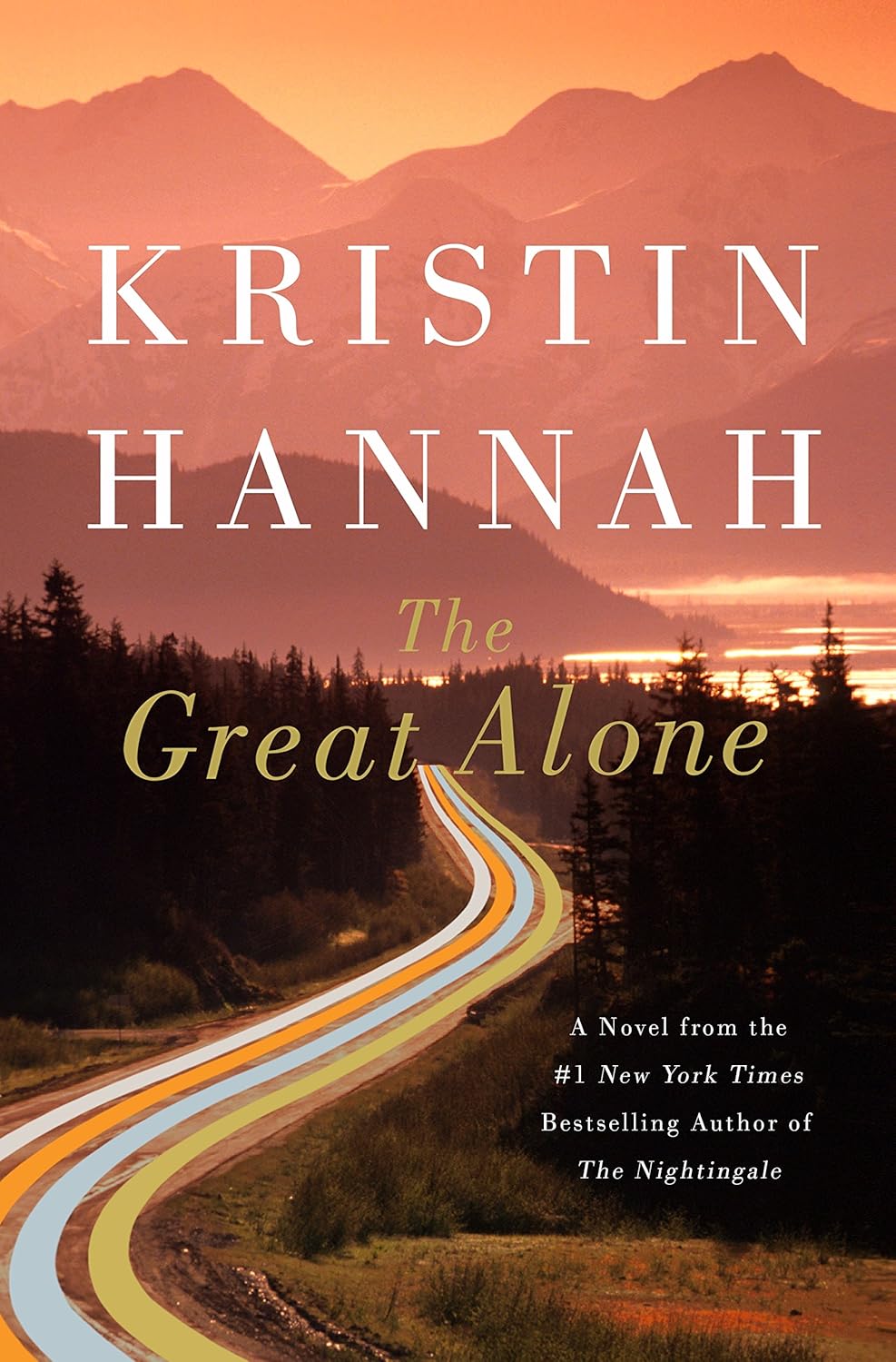
In this blog I offer a different type of book review—one that’s combined with vocabulary building. I listened to The Great Alone on audio and heard a number of words I found unfamiliar. I’ll define just a couple of them here.
From The Great Alone:
Whenever Leni woke in the middle of the night, she invariably found her mother drifting through the house, her diaphanous robe trailing open.
diaphanous: adjective, (especially of fabric) light, delicate, and translucent.
—
From The Great Alone:
They hurried up the stairs and tiptoed down the unlit hallway and into the master bedroom, a huge room with mullion windows and olive-green carpet.
mullion: noun, a vertical bar between the panes of glass in a window.
—
What interesting words or terms have you found in your recent reading?
—
Definitions are typically from the dictionary that comes with my Mac or The New Oxford American Dictionary.
—
To connect or learn more about Kristin Hannah, find her at KristinHannah.com.
“The word is only a representation of the meaning; even at its best, writing almost always falls short of full meaning. Given that, why in God’s name would you want to make things worse by choosing a word which is only cousin to the one you really wanted to use?” ― Stephen King, On Writing: A Memoir of the Craft
 Lori Ericson